


Author: admin
The Majestic Bhringhraj Thailam: Exploring its Royal Status as the King of Oils
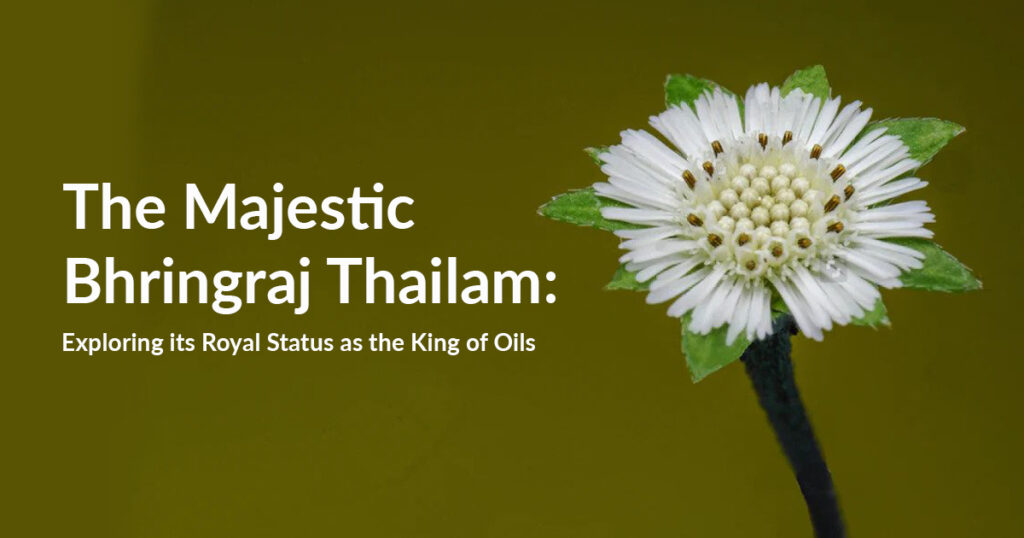
Bhringraj Thailam, also known as Bhringraj Oil, is considered a “king of oils” in Ayurvedic medicine due to its many beneficial properties for the hair and scalp. It is made by infusing Bhringraj herb (Eclipta Alba) in a base oil, usually sesame oil, which is known for its nourishing properties.
Bhringraj is an herb that is known to have hair growth-promoting properties. It is believed to strengthen the hair roots and promote hair growth by stimulating the blood flow to the scalp. It also helps to prevent hair fall, gray hair and dandruff.
The oil is also believed to have properties that can nourish the scalp and help to prevent dryness, itching, and flaking. Additionally, it is believed to have antimicrobial properties that can help to protect the scalp from infections, which is a common cause of hair fall.
Bhringraj Thailam is also known to be beneficial for people who have premature graying and hair loss. It is also known to provide relief from headaches, migraines and helps to improve sleep.
It’s worth noting that there is no scientific research to back up the effectiveness of Bhringraj Thailam, and Ayurvedic treatments can vary based on the practitioner, so it is always best to consult with an Ayurvedic practitioner before using this oil.
In conclusion, Bhringraj Thailam is considered a “king of oils” in Ayurvedic medicine due to its many beneficial properties for the hair and scalp. It is believed to strengthen the hair roots, promote hair growth, prevent hair fall, gray hair, dandruff, and also have antimicrobial properties
Are Ayurvedic Products Risk-Free? Debunking Side Effect Myths

Ayurvedic products are based on traditional Indian medicine and are made with natural ingredients such as herbs, roots, and minerals. Many people believe that because these products are natural, they do not have any side effects. However, it’s important to keep in mind that just because a product is natural, it does not mean it is automatically safe for everyone to use.
While Ayurvedic products are generally considered safe to use, some people may still experience allergic reactions or other side effects. Additionally, some Ayurvedic products may interact with other medications or supplements that you are taking, so it is important to consult a qualified Ayurvedic practitioner or a doctor before using any Ayurvedic products, especially if you have a pre-existing medical condition.
It’s also worth noting that not all Ayurvedic products are created equal, quality and purity of the ingredients used in the products may vary, so it’s always best to choose the products from reputed brands and Ayurvedic practitioners to avoid any side effects.
In conclusion, Ayurvedic products are generally considered safe to use, but it’s important to be aware of any potential side effects and to consult a qualified Ayurvedic practitioner or a doctor before using them, especially if you have a pre-existing medical condition.
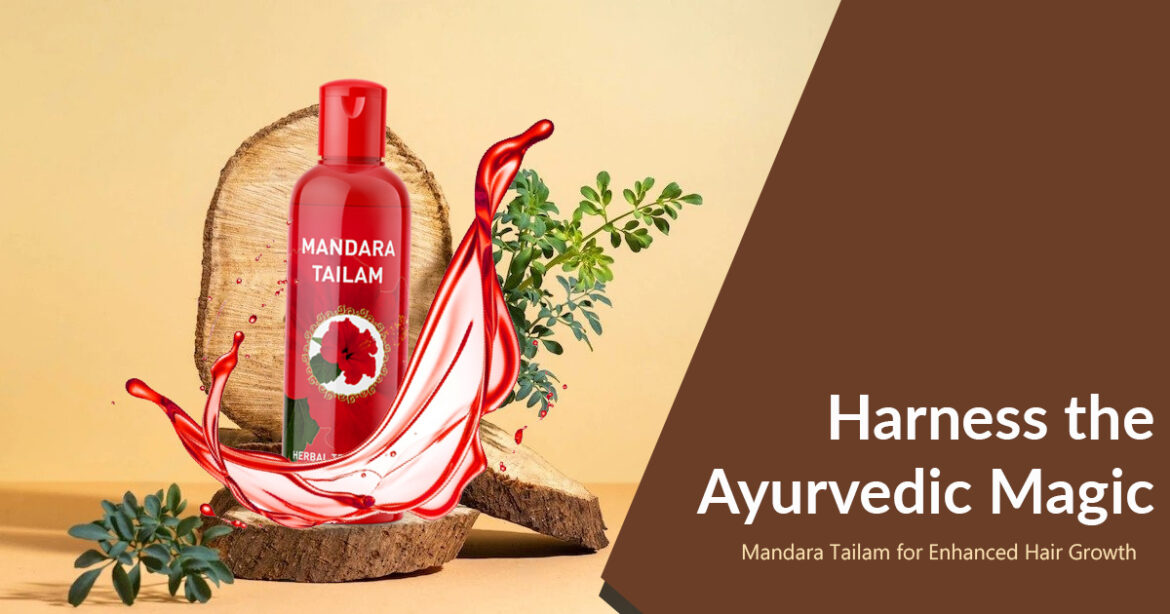
Harness the Ayurvedic Magic: Mandara Tailam for Enhanced Hair Growth
Mandara Tailam is an Ayurvedic oil that is traditionally used for promoting hair growth and improving the overall health of the hair and scalp.
According to Ayurveda, the oil is believed to nourish the hair follicles and scalp, which can lead to stronger, thicker, and more abundant hair growth. The oil is also believed to improve blood circulation in the scalp, which can help to promote the growth of new hair.
Mandara Tailam is prepared by infusing various Ayurvedic herbs and oils such as Sesame oil, Coconut oil, and various herbs like Amla, Bhringraj, Shankhapushpi, and Licorice root, to mention a few, which are known for their hair nourishing properties. These herbs are believed to have properties that can strengthen the hair, prevent hair fall, and promote hair growth.
It’s worth noting that the usage of Mandara tailam is not backed by any scientific research and Ayurvedic treatments can vary based on the practitioner, so it is always best to consult with an Ayurvedic practitioner before using this oil.
In conclusion, Mandara Tailam is an Ayurvedic oil that is traditionally used for promoting hair growth and improving the overall health of the hair and scalp. It is believed to nourish the hair follicles and scalp and improve blood circulation which can lead to stronger, thicker, and more abundant hair growth. However, more scientific research is needed to confirm the effectiveness of this oil.
What is the difference between physical and chemical sunscreen?
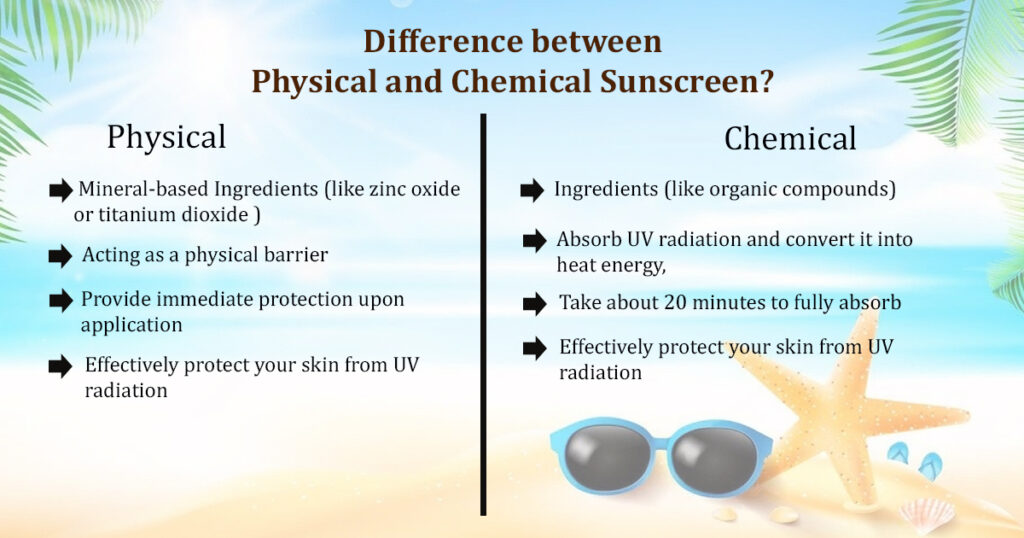
Physical and chemical sunscreens work in different ways to protect your skin from UV radiation.
Physical sunscreen, also known as mineral sunscreen, contains mineral-based ingredients like zinc oxide or titanium dioxide. When applied to the skin, these ingredients sit on the surface and reflect UV radiation away from the skin, acting as a physical barrier. Physical sunscreens are generally considered safe for sensitive skin and provide immediate protection upon application. However, they can feel heavy or leave a white cast on the skin.
Chemical sunscreen, on the other hand, contains organic compounds that absorb UV radiation and convert it into heat energy, which is then released from the skin. Chemical sunscreens are usually easier to apply and do not leave a white cast. However, they can be irritating to some people with sensitive skin and take about 20 minutes to fully absorb into the skin before becoming effective.
It is important to note that both physical and chemical sunscreens can effectively protect your skin from UV radiation, but they work in different ways. Choosing the right sunscreen for your skin type and activity level is important for maximum protection. If you have sensitive skin or are unsure which type of sunscreen to use, it’s always best to consult with a dermatologist.
Why is Sunscreen Important?

Summer is a time for fun in the sun, but it’s also a time to take extra precautions to protect your skin from the harmful effects of UV radiation. Sunscreen is a crucial part of any summer skincare routine, but do you know why it’s so important? In this post, we’ll explore the reasons why you should be using sunscreen and how to choose the right one for your skin type.
The sun emits two types of harmful UV radiation: UVA and UVB. UVA rays can penetrate deep into the skin and cause premature aging, while UVB rays cause sunburn and increase the risk of skin cancer. Both types of radiation can damage your skin, even on cloudy days or in the winter months.
Applying sunscreen helps protect your skin by creating a barrier that absorbs and reflects UV radiation. Sunscreen with a broad-spectrum SPF (sun protection factor) of 30 or higher is recommended, as it can block up to 97% of UVB rays. It’s also important to reapply sunscreen every two hours or after swimming or sweating, as even water-resistant sunscreen can wear off over time.
How to Choose the Right Sunscreen
There are two types of sunscreen: physical and chemical. Physical sunscreen contains minerals like zinc oxide or titanium dioxide that sit on the surface of the skin and reflect UV radiation. Chemical sunscreen contains organic compounds that absorb UV radiation and convert it into heat.
When choosing a sunscreen, consider your skin type and any sensitivities you may have. Physical sunscreens are generally better for sensitive skin, as they are less likely to cause irritation. However, they can be heavier and leave a white cast on the skin. Chemical sunscreens are lighter and easier to apply, but they can be irritating to some people.
If you’re unsure which type of sunscreen to use, consult with a dermatologist. They can recommend a sunscreen that’s right for your skin type and activity level.
In Conclusion
Sunscreen is an essential part of any summer skincare routine. By protecting your skin from harmful UV radiation, you can prevent sunburn, premature aging, and reduce your risk of skin cancer. Choose a sunscreen with a broad-spectrum SPF of 30 or higher and reapply it every two hours or after swimming or sweating. With the right sunscreen, you can enjoy the sun without compromising your skin’s health.
Why Sunscreen is essential in summer?

Sunscreen is essential in summer (and all year round) because it helps protect your skin from the harmful effects of the sun’s ultraviolet (UV) rays. The UV rays can cause sunburn, premature aging, and skin cancer.
When you apply sunscreen, it creates a barrier on your skin that helps absorb and reflect UV radiation. This barrier helps to prevent the UV radiation from penetrating your skin and damaging your cells.
Using sunscreen is especially important during the summer months when the sun is stronger and the days are longer, meaning you are more likely to spend more time outdoors. Even if it’s a cloudy day, UV rays can still penetrate through the clouds and harm your skin.
Therefore, wearing sunscreen with a high SPF (Sun Protection Factor) can help protect your skin from harmful UV rays and keep it healthy and youthful-looking. It is recommended to use a broad-spectrum sunscreen with an SPF of at least 30, and reapply it every two hours or after swimming or sweating.
What is SPF and how much do you need?

SPF stands for sun protection factor and it is a measure of how well a sunscreen will protect your skin from the sun’s ultraviolet (UV) radiation. Specifically, it measures the amount of time it takes for UVB rays to redden skin when using the sunscreen as compared to how long it would take without using it.
It’s important to use sunscreen with at least SPF 30 to protect your skin from sun damage. It’s recommended to use a sunscreen with broad-spectrum protection, which means it protects against both UVA and UVB rays.
The amount of sunscreen you need to use will depend on the size of your body and the area of your skin that is exposed. The American Academy of Dermatology recommends using an ounce (around a shot glass full) of sunscreen to cover your entire body. This means if you are using a sunscreen with SPF 30, it would take 30 times longer for your skin to burn than if you were not wearing any sunscreen at all.
It’s important to note that sunscreen should be reapplied every two hours, or more often if you are sweating or swimming. Also, it’s essential to keep in mind that sunscreen should be just one part of your sun protection routine, it’s also important to seek shade, wear protective clothing, and avoid the sun during peak hours.
Know the Difference between Glycerin & Cream soaps!
Glycerin and cream soaps are both types of soap, but they have some key differences.
Glycerin soap is made by adding glycerin, a natural humectant, to the soap-making process. This helps to attract moisture to the skin and keep it hydrated. Glycerin soap is often transparent or translucent, and it can be formulated with a variety of different ingredients, including essential oils and herbs, to provide additional benefits to the skin.
Cream soap, on the other hand, is a type of soap that has a creamy or lotion-like consistency. It is made by adding a mixture of oils and butters to the soap-making process, which gives it its rich, creamy texture. Cream soap is often used to provide additional hydration and nourishment to the skin, and it can be formulated with a variety of different ingredients, including essential oils and herbs, to provide additional benefits.
Glycerin soap is a gentle soap that is known for its moisturizing properties. It is ideal for people with dry, sensitive, or dehydrated skin as it helps to lock in moisture and prevent dryness.
Cream soap, on the other hand, typically contains rich ingredients such as shea butter, coconut oil, and other oils, which can provide additional nourishment and hydration for the skin. This type of soap is often recommended for people with dry, mature, or sensitive skin.
Ultimately, both glycerin and cream soap can be effective for keeping the skin hydrated and nourished, but it is important to choose the one that best suits your skin type and needs. It may also be helpful to consult with a dermatologist or skincare professional for personalized advice.
In summary, glycerin soap is a type of soap that is made by adding glycerin to the soap-making process to provide additional hydration to the skin, while cream soap is a type of soap that has a creamy or lotion-like consistency and is made by adding a mixture of oils and butters to provide additional hydration and nourishment to the skin.
Know the difference between Herbal, Ayurvedic, Natural and Organic Products.
When it comes to skincare and wellness products, there are a lot of terms that are thrown around that can be confusing. Two of the most commonly used terms are “herbal” and “natural”, but they are not always interchangeable. In this blog post, we will break down the differences between herbal, Ayurvedic, natural, and organic products so you can make informed choices when purchasing these types of products.
Herbal products are those that are made from plants or plant-based materials. This can include things like herbs, flowers, roots, and leaves. Herbal products can be used for a variety of purposes, including skincare, wellness, and medicine. Herbal products can be used in a variety of forms, such as teas, tinctures, capsules, and creams.
Ayurvedic products are traditional medicine systems from India. Ayurveda is the science of life, based on the belief that health and wellness depend on a delicate balance between the mind, body, and spirit. Ayurvedic products are made from natural ingredients and are often used to promote balance in the body and mind. Ayurvedic products can include things like herbs, oils, and spices.
Natural products are those that are made from materials that are found in nature. This can include things like fruits, vegetables, and minerals. Natural products can be used for a variety of purposes, including skincare, wellness, and medicine. Natural products can be used in a variety of forms, such as creams, lotions, and supplements.
Organic products are those that are made from materials that are grown without the use of synthetic pesticides, fertilizers, or other chemicals. Organic products can include things like fruits, vegetables, and herbs. Organic products can be used for a variety of purposes, including skincare, wellness, and medicine. Organic products can be used in a variety of forms, such as creams, lotions, and supplements.
In summary, herbal products are made from plants or plant-based materials, Ayurvedic products are traditional medicine systems from India, natural products are those that are made from materials that are found in nature, and organic products are those that are made from materials that are grown without the use of synthetic pesticides, fertilizers, or other chemicals. When choosing products, it is important to be aware of the ingredients and how they were sourced so you can make informed decisions about what you’re putting on your skin and in your body.


